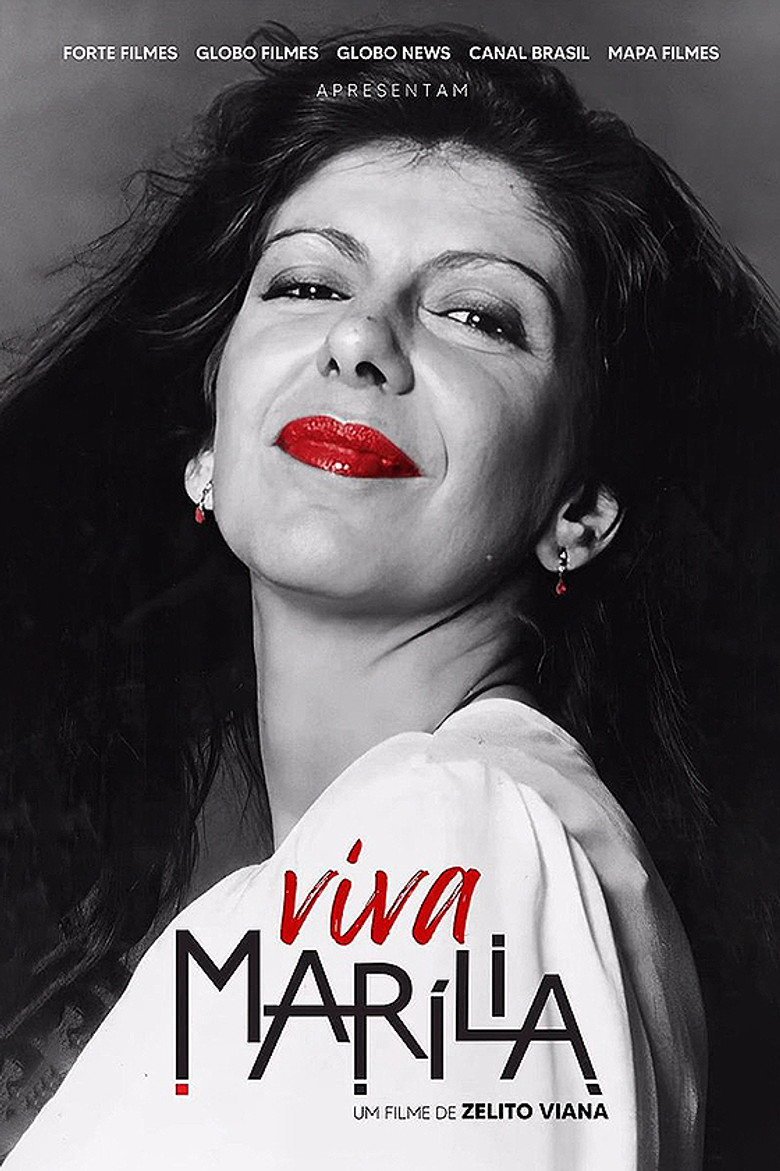
Viva Marília examines the life and work of acclaimed Brazilian actress Marília Pêra against the changing social, political and historical backdrop of Brazil in the 1960s, 1970s and 1980s. Built around archive footage and featuring music-documentary elements, the film connects a major career with the country’s shifting cultural context.
Viva Marília is a Brazilian documentary about the acclaimed actress Marília Pêra and the decades that shaped her professional life. The film focuses on Brazil in the 1960s, 1970s and 1980s, considering how each period influenced her work and public career.
Directed by Zelito Viana and Esperança Motta, the 80-minute film uses archive appearances from Pêra and a range of associated figures. Its documentary and music classifications place her career at the center of a portrait tied closely to Brazil’s cultural history.
Viva Marília movie details
| Title | Viva Marília |
|---|---|
| Release date | |
| Runtime | 1h 20m |
| Genres | Documentary, Music |
| Directors | Zelito Viana, Esperança Motta |
| Writer | Nelson Motta |
| Country | Brazil |
| Languages | Portuguese |
| Status | Released |
Story without spoilers
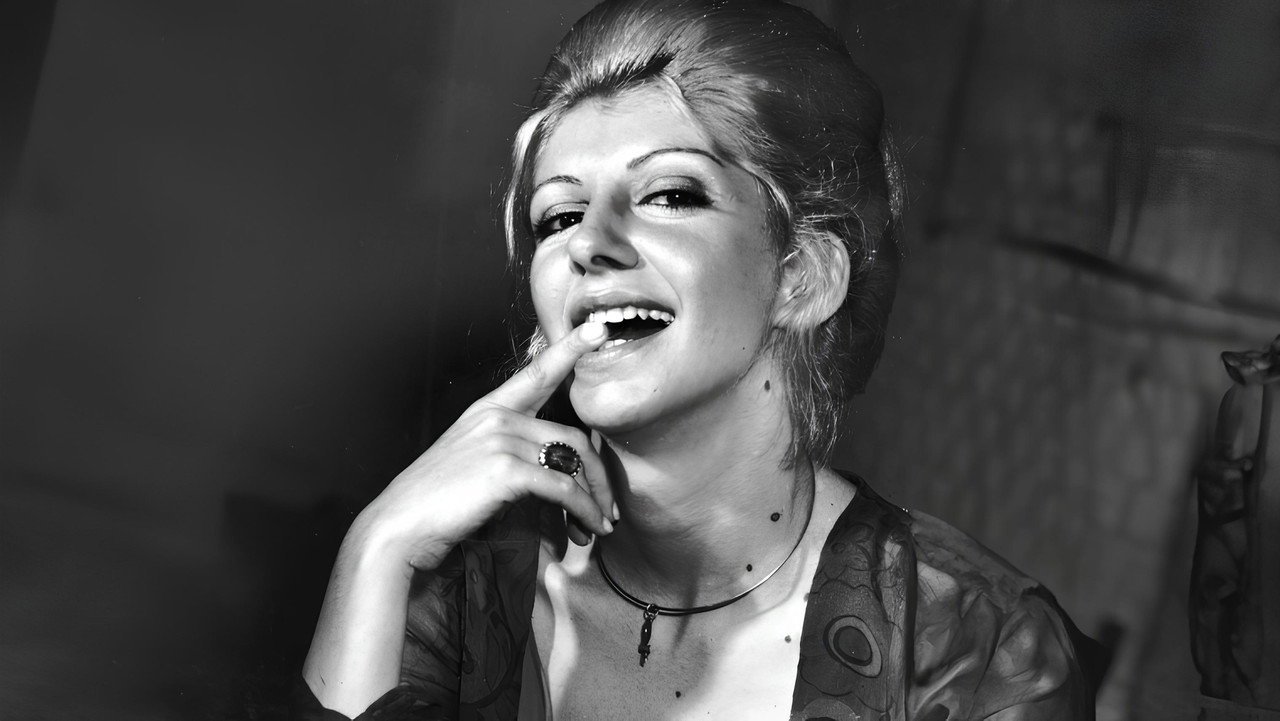
The film traces the historical, political and social context of Brazil across three decades, then considers the effect of those changes on Marília Pêra’s life and work as an actress. Rather than presenting her career separately from its surroundings, Viva Marília frames it within the country’s broader transformations during the 1960s, 1970s and 1980s.
The documentary features Marília Pêra in archive footage alongside Sandra Pêra, Nina Morena, Nelson Motta, Esperança Motta, Ricardo Graça Mello, Manuel Pêra, Dinorah Marzullo, Hebe Camargo and Marco Nanini, all credited as themselves in archival material. The supplied information identifies the film as a celebration of Pêra’s career without revealing specific events or conclusions.
What to expect
Viewers can expect a documentary centered on one performer’s career and its connection to Brazil’s modern history. The subject is approached through the social, political and historical conditions of the 1960s, 1970s and 1980s, with music also part of the film’s classification.
The archive-footage cast suggests a presentation built around historical appearances and recorded contributions rather than a conventional fictional narrative. The film’s 1-hour-20-minute runtime indicates a focused overview of Pêra’s work and the context surrounding it.
Cast and creative team
Marília Pêra appears as herself through archive footage, joined by Sandra Pêra, Nina Morena, Nelson Motta, Esperança Motta, Ricardo Graça Mello, Manuel Pêra, Dinorah Marzullo, Hebe Camargo and Marco Nanini. Zelito Viana and Esperança Motta direct the documentary, while Nelson Motta is credited as its writer.
- Marília Pêra as Self (archive footage)
- Sandra Pêra as Self (archive footage)
- Nina Morena as Self (archive footage)
- Nelson Motta as Self (archive footage)
- Esperança Motta as Self (archive footage)
- Ricardo Graça Mello as Self (archive footage)
- Manuel Pêra as Self (archive footage)
- Dinorah Marzullo as Self (archive footage)
- Hebe Camargo as Self (archive footage)
- Marco Nanini as Self (archive footage)
Release and production context
Viva Marília is listed as a 2026 Brazilian production in Portuguese, with a runtime of 1 hour and 20 minutes. It is listed as released on September 10, 2026. The production companies are Globo Filmes, Mapa Filmes, Canal Brasil, GloboNews, Forte Filmes and Bando Sonoro.
Production companies: Globo Filmes, Mapa Filmes, Canal Brasil, GloboNews, Forte Filmes, Bando Sonoro
Reported production figures:
Budget $203
Movies Dock view
Viva Marília offers a documentary portrait of Marília Pêra’s career by placing it within Brazil’s social, political and historical changes from the 1960s through the 1980s. Its archive-based cast and music classification point to a compact career retrospective grounded in the period surrounding her work.
Frequently asked questions
What is Viva Marília about?
It examines Marília Pêra’s life and work against Brazil’s historical, political and social context in the 1960s, 1970s and 1980s.
Who directed Viva Marília?
The documentary was directed by Zelito Viana and Esperança Motta.
Who wrote Viva Marília?
Nelson Motta is credited as the writer.
What genre is Viva Marília?
It is classified as a Documentary and Music film.
How long is Viva Marília?
The runtime is 1 hour and 20 minutes.
Related posts:
 Last Bullet (2025) | Movie | Movies Dock
 Knox Goes Away (2024) | Movie | Movies Dock
 Hunted (2026): Cast, Story and Release Details
 Messy (2025) | Movie | Movies Dock
 Unearth (2020) | Movie | Movies Dock
 Bootleg Death Tape II (2020) | Movie | Movies Dock
 Snakehead (2021) | Movie | Movies Dock
 Guns Akimbo (2020) | Movie | Movies Dock
 Army of Thieves (2021) | Movie | Movies Dock
 What's in the Box (2024) | Movie | Movies Dock
 THE CARROT: Cast, Story and Release Details
 Seven Dogs (2022) | Movie | Movies Dock